
On July 7th, 2025, an agreement was published that brings important changes to medical devices in Mexico. This new document, which came into effect on July 8th, 2025, seeks to update the list of supplies and products considered low-risk and those not, in accordance with technological advances since the last publication (December 2014) to date.
The main objective of this update is to establish and make known clear lists of medi- cal devices that, due to their low risk, require or do not require marketing authorization. It also seeks to streamline the process of obtaining these authorizations and facilitate the gradual regulation of products that were previously unregulated. This agreement updates and replaces previous publications from 2011 and 2014.
Key Novelties of the Agreement
One of the most notable changes is the way devices are classified. Previously, there were only two categories (low-risk supplies requiring registration, and products not considered health supplies); now, the agreement presents three main annexes:
- Annex 1: Low-risk medical devices that DO require marketing authorization. Here are products such as orthodontic archwires, kinesiology tape, ear specula (reusable and disposable) sold separately for otoscopes, orthodontic face masks, N95 respirators, among others.
- Annex 2: Low-risk medical devices that do NOT require marketing authorization. This annex is new and now includes products that previously required registration or were not considered medical devices. For example, elastic shoulder immobilizers, diagnostic and examination lights, plastic mouth gags, stretchers, patient scales, wheelchairs (manual or motorized), among many others. Products such as compress warmers and multi-position hospital beds have been added.
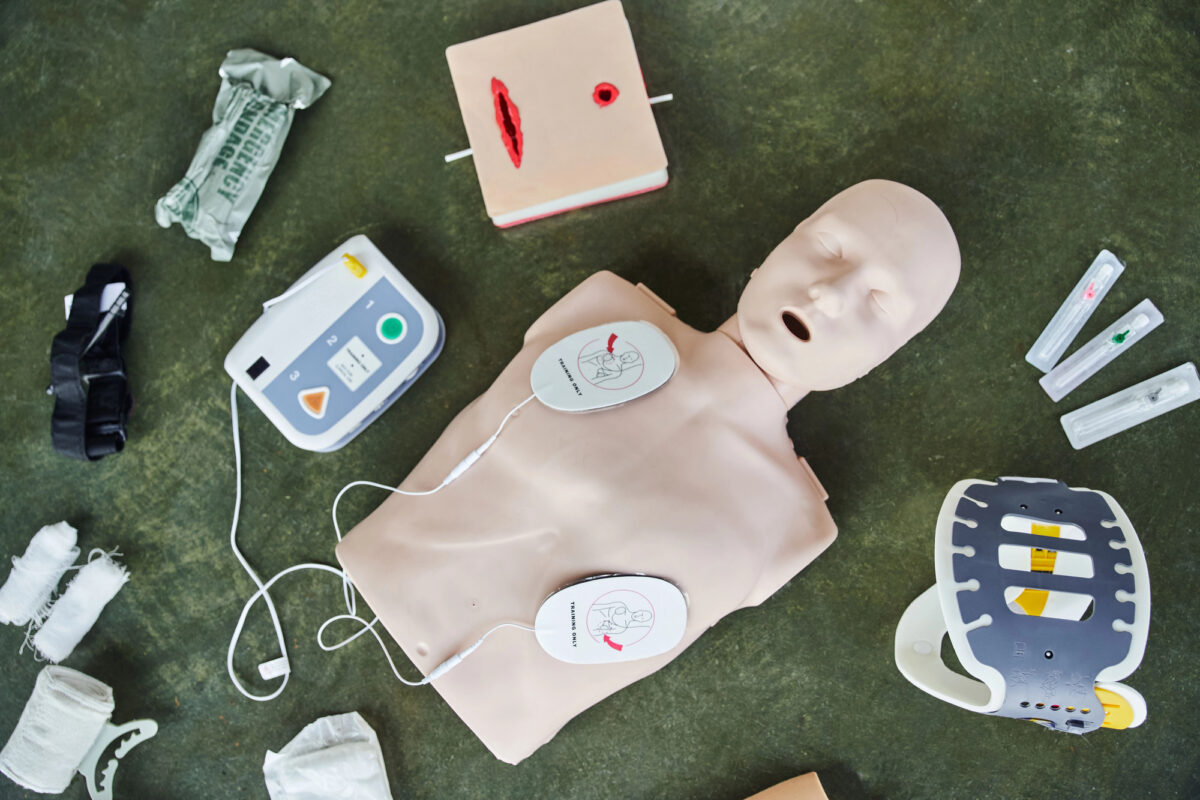
- Annex 3: Products that are NOT considered health supplies and, therefore, DO NOT require marketing authorization. This category includes items that, by their nature, do not have a direct medical purpose, such as cotton for cosmetic use, bags for biological-infectious hazardous waste (BIW), training mannequins, ambient air purifiers, unequipped office furniture, and software for monitoring performance of a medical device or for clinical research, among others.
Less Waiting Time for Formalities
The new agreement also seeks to reduce response times for applications for marketing authorization of low risk devices.
The resolution time is reduced from 30 to 20 working days.
In addition, the timeframe for the authority to request additional information (preventions) is also adjusted:
For administrative requests: 10 working days remain.
For technical requests: 15 working days are reduced from 20 to 15 working days. The deadline for concerned parties to respond to these requests remains at 10 working days, with no extension.
Clearer Requirements for Authorization
Requirements for authorization vary depending on the device classification:
For devices listed in Annex 1 (which do require registration): An Aviso de Funcionamiento issued by Cofepris, application form, labelling project, instruction manuals, technical information, and payment of COFEPRIS FEE. If the product manufactured abroad, representation letter issued by the legal manufacturer is also required.
For devices listed in Annex 2 (which do not require registration): Only a Aviso de Funcionamiento issued by Cofepris and a sanitary responsible approval are required. An importation permit is not required, but a declaration must be submitted to cus- toms certifying that the product complies with good manufacturing practices and technovigilance.
For products listed in Annex 3 (which are not health supplies): These products are not subject to marketing authorization or importation permits.
Goodbye to Exceptional and Gradual Regularization Official Letters
A crucial point is that the facilities that currently have an official letter for exception and are now listed in Annex 1 must carry out the formality for their marketing authorization within an established timeframe that runs from 2025 to 2029.
- From 1 to 38, entry 2025 to 2026
- From 39 to 75, entry 2026 to 2027
- From 76 to 116, entry 2027 to 2028
- Outside these years, maximum deferral until 2029
Five years after the entry into force of this agreement, all exemptions will cease to apply. However, if a registration application for a product with an exemption is pending, it remains valid until the authority issues a decision.
This new agreement represents a significant effort to modernize and streamline the regulation of medical devices in the country, which will facilitate access to essential health products and ensure their safety.
Source:
AGREEMENT TO PROVIDE ANNOUNCEMENT OF LISTS OF MEDICAL DEVICES CONSIDERED LOW RISK THAT REQUIRE MAR- KETING AUTHORIZATION, THOSE THAT DO NOT REQUIRE MARKETING AUTHORIZATION, AND THOSE PRODUCTS THAT, DUE TO THEIR NATURE, CHARACTERISTICS AND USE, ARE NOT CONSIDERED HEALTH SUPPLIES AND THEREFORE DO NOT REQUIRE MARKETING AUTHORIZATION.